
Low-Maintenance Electric Bikes: What to Look For in 2026
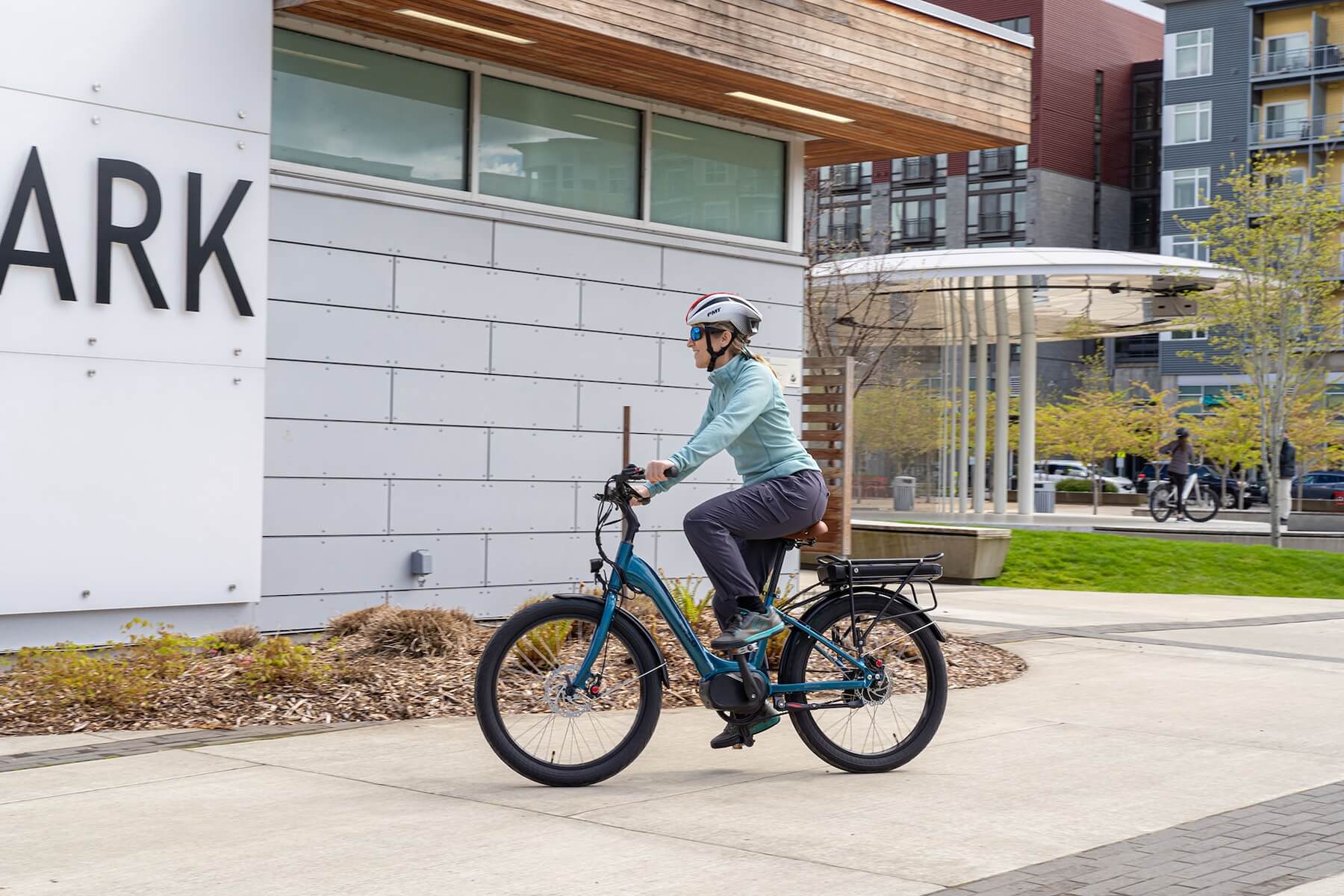
An electric bike should make riding easier. It should not leave you cleaning a chain every weekend, adjusting gears that no longer shift cleanly, or wondering which part will need attention next.
That is why more buyers are looking for a low-maintenance electric bike. The challenge is that “low maintenance” appears in a lot of product descriptions without much explanation of what it actually means.
The motor matters, but it is only one part of the answer. The drivetrain, transmission, brakes, tires, electronics, and even the availability of replacement parts all affect how easy an ebike will be to own.
For most riders, the lowest-maintenance configuration combines a carbon belt drive with a sealed internally geared hub. Automatic shifting can make the riding experience simpler still, while hydraulic brakes and well-supported electrical components help reduce the number of adjustments an owner needs to think about.
No ebike is truly maintenance-free. Tires wear. Brake pads eventually need replacing. Batteries age. Bolts, spokes, and electrical connections should still be inspected. A better goal is to choose a bike that removes as many routine maintenance jobs as possible without making future service unnecessarily difficult.
The Low-Maintenance Formula at a Glance
If you want the short version, focus on the complete drivetrain rather than any one component:
-
Lowest routine drivetrain maintenance: A carbon belt drive paired with a sealed internally geared CVT or HUB
-
Simplest riding experience: Automatic shifting that adjusts the transmission as speed and terrain change
-
Best motor choice: The motor that suits your terrain when considered alongside the drivetrain; motor position alone does not determine maintenance
-
Maintenance that never disappears: Tire, brake, wheel, battery, fastener, and electrical-system inspections
-
Often-overlooked buying factor: Long-term access to replacement parts, knowledgeable support, and qualified service
What Makes an eBike Low Maintenance?
A low-maintenance ebike is not defined by a single component. It is the result of several choices working together.
The first thing to examine is the drivetrain. On a conventional bike, the chain, cassette, and derailleur are all exposed. They encounter dust, moisture, and road debris on every ride. The chain needs regular cleaning and lubrication, while the derailleur can require adjustment if a cable stretches or the mechanism gets knocked out of alignment.
A belt drive and internally geared hub move away from that arrangement. The belt runs clean and dry, while the working parts of the transmission sit inside the rear hub rather than hanging beside the wheel. There are fewer exposed parts to clean, lubricate, or accidentally damage.
Other components matter too. Hydraulic disc brakes automatically compensate for pad wear, although the pads and brake fluid still need periodic attention. Puncture-resistant tires can reduce interruptions. A removable battery is easier to store and replace. Clearly routed wiring, available replacement parts, and responsive technical support can make an enormous difference when the bike eventually does need service.
When comparing electric bikes, look for the following:
-
A belt drive instead of a conventional chain
-
An internally geared hub or sealed continuously variable transmission
-
Hydraulic disc brakes
-
A removable, replaceable battery
-
A motor system with available diagnostic and replacement support
-
Common wear items, such as brake pads and tires, that a local bike shop can source
-
A manufacturer that continues to provide parts and technical help after the sale
That final point is easy to overlook. A bike that rarely needs service is useful. A bike that can actually be repaired when something does wear out is better.
Chain vs. Belt Drive on an Electric Bike
The difference between a chain and a belt is one of the clearest indicators of how much routine drivetrain care an ebike will require.

Chain Drives
A traditional bicycle chain transfers power from the front chainring to a rear sprocket or cassette. It is proven, efficient, and familiar to almost every bike mechanic. Replacement chains are widely available, and a chain-driven bike usually costs less than a comparable belt-drive model.
The tradeoff is upkeep.
A chain needs to be kept reasonably clean and lubricated. Over time, its links and rollers wear, creating what riders commonly call chain stretch. A worn chain no longer meshes cleanly with the cassette and chainring, which can accelerate wear on those more expensive components.
This matters even more on a mid-drive ebike because the rider and motor both send power through the same drivetrain. Starting in a hard gear or shifting poorly under load can place significant stress on the chain and rear cogs.
None of that makes a chain a bad choice. It simply makes it a more hands-on one.
Belt Drives
A belt-drive electric bike replaces the metal chain with a carbon-reinforced belt. The belt does not require chain lubricant, so it does not collect the same mixture of oil, dirt, and grit. It stays cleaner against clothing, inside a vehicle, and in the home. It is also quiet, and it does not develop conventional chain stretch as it wears.
Belt drives are particularly well suited to electric bikes because they can handle the steady loads produced by a motor without asking the owner to clean and lubricate the drivetrain after wet or dusty rides.
There are two important limitations. First, a belt cannot run through a conventional derailleur. It needs a single rear sprocket connected to an internally geared hub, gearbox, or similar transmission. Second, the bike’s frame must be designed to install and tension the belt. In most cases, an existing chain-driven bike cannot simply be converted later.
For a deeper look at the system, read What Is a Gates Carbon Belt Drive and Why Do eBikes Use It?
Which Is Better?
A chain makes sense when initial cost, universal parts availability, or familiar roadside repair is the priority. A belt is the stronger choice when the goal is a cleaner, quieter drivetrain with less routine attention.
For riders specifically looking for the best low-maintenance ebike, the belt is the better starting point.
Derailleur vs. Internally Geared Hub
The next major decision is where the bike’s gearing lives.
How a Derailleur Works
A derailleur moves the chain between several exposed cogs attached to the rear wheel or crank. It gives the rider a broad selection of gears and is relatively familiar to service. It is also easy to inspect because almost everything is visible.
Visibility, however, means exposure. The derailleur sits beside the rear wheel, where it can be struck during transport, bent in a fall, or affected by dirt. Its shifting depends on cable tension and alignment. When either changes, the bike may hesitate, click, or skip between gears.
Owners who ride frequently should expect to clean the chain, lubricate it, monitor wear, and occasionally have the shifting adjusted.
How an Internally Geared Hub Works
An internally geared hub places the transmission inside the rear hub. Instead of moving a chain across an exposed cassette, the bike changes ratios within that protected mechanism.
This has several ownership advantages:
-
The working transmission components are protected from weather and debris.
-
There is no derailleur hanging beside the rear wheel.
-
Many internal systems can change ratio while the bike is stopped.
-
A straight belt line can be used in place of a chain.
-
Routine shifting adjustments are generally less frequent.
Internal hubs are not magic. A manually controlled system may still use a shifter cable that can eventually need adjustment or replacement. If the hub itself needs internal service, the work may require a technician familiar with that particular system. The service is usually less frequent, but potentially more specialized.
Traditional Internal Gears vs. a Continuously Variable Transmission
Not every internally geared hub works the same way.
A traditional hub offers a fixed number of gears. A three-speed hub, for example, gives the rider three distinct ratios. An Enviolo continuously variable transmission, or CVT, moves smoothly through a range of ratios without fixed steps between them. The way the shifter works on an Enviolo CVT also means that they almost never need to have the cables adjusted after installation.
That difference affects how shifting feels, but both approaches share the maintenance advantage of keeping the transmission protected inside the hub.
It is also important not to confuse a CVT with automatic shifting. An Enviolo CVT can be controlled manually, as it is on the EVELO Atlas, or paired with an automatic interface, as it is on the Omega and Galaxy Lux.
The Enviolo CVT is particularly low maintenance because it is a sealed system. Most traditional IGH systems require occasional oil changes. Enviolo’s CVT is sealed for life and you won’t ever have to change the oil.

Manual vs. Automatic Shifting
Automatic shifting is often discussed as a low-maintenance feature. That is partly true, but it deserves a more precise explanation. Most automatic shifting systems still require occasional calibration. Enviolo’s AUTOMATiQ system is constantly calibrating itself while you ride, so you don’t have to do it yourself.

The greatest maintenance benefit comes from the sealed internal transmission and the absence of a derailleur. Automation mainly changes who decides when to shift: the rider or the bike.
Manual Shifting
Manual shifting gives the rider direct control. Experienced cyclists may prefer choosing a lower ratio before a hill or a harder ratio as speed increases. On a manually controlled internal hub or CVT, they can keep that control without returning to an exposed derailleur.
A manual system can also have fewer electronic shifting components. Depending on its design, however, it may use a mechanical cable that occasionally needs adjustment.
Automatic Shifting
With the Enviolo AUTOMATiQ system, the rider selects a preferred cadence, or pedaling speed. The system then changes the transmission ratio as speed and terrain change, helping the rider continue pedaling at a consistent rhythm.
Approach a hill and the ratio becomes easier. Gain speed and it becomes harder. Stop at an intersection and the system prepares an easier ratio for pulling away again. The rider does not need to watch a gear indicator or remember to downshift before stopping.
This can make a meaningful difference for someone returning to cycling, managing hand discomfort, or simply wanting fewer controls to think about. It can also reduce the chance of repeatedly starting or climbing in an unsuitable ratio.
Automatic shifting does introduce electronics. The system may need calibration after initial assembly, removal of the interface, or troubleshooting. Current Enviolo systems support automatic calibration when their firmware is up to date, while older versions may require a manual process.
In other words, automatic shifting simplifies riding and eliminates a conventional mechanical shifter cable. The belt and sealed transmission still do most of the work when it comes to reducing routine maintenance.
Learn more about how Enviolo AUTOMATiQ works.
Hub Motor vs. Mid-Drive Maintenance
Motor position affects performance, handling, and service, but the lowest-maintenance choice is not as simple as saying one motor type always wins.

Hub Motors
A hub motor sits in the front or rear wheel and drives that wheel directly. Because the motor does not send its power through the bicycle’s chain and gears, it does not add motor torque to drivetrain wear. On a basic chain-driven bike, that can be a meaningful maintenance advantage.
The motor itself is normally sealed and requires little routine attention. However, flat repairs and other wheel service can be considerably more involved when the motor is built into the wheel. A mechanic may need to disconnect motor wiring, manage the additional weight, and remove extra hardware. As a result, many shops charge significantly more labor to repair a flat on a hub-motor wheel than on a standard wheel. If the motor requires major work, the wheel assembly may also need to be removed or rebuilt.
Mid-Drive Motors
A mid-drive motor sits near the crank, placing its weight low and near the middle of the frame. It drives through the bike’s drivetrain, allowing the motor to take advantage of the transmission’s range. This is one reason mid-drives work so well on hills.
The motor unit is sealed and does not normally require internal service as part of a routine tune-up. The important maintenance question is what sits behind it.
Pair a mid-drive with a chain and derailleur, and both rider and motor power pass through parts that already wear. Chains, cassettes, and chainrings may need more frequent attention, particularly on powerful bikes or hilly routes.
Pair the same general motor layout with a carbon belt and sealed internal hub, and the ownership picture changes. The belt removes chain cleaning and lubrication, while the internal transmission removes the exposed cassette and derailleur.
Which Motor Requires Less Maintenance?
A direct-drive hub motor generally requires the least motor maintenance because it has fewer moving parts and does not add wear to the bike’s drivetrain. However, its size, weight, and performance tradeoffs at street-legal power levels are why most consumer ebikes use geared hub motors instead. Mid-drives can increase wear when paired with a chain and derailleur, but a belt and internally geared transmission greatly reduce routine drivetrain maintenance.
The honest answer is to compare the complete system, not the motor in isolation.
For the performance side of the decision, see Mid-Drive vs. Hub Motors: Which Is Right for You? and the Electric Bike Motors: Complete 2026 Guide.
Electric Bike Maintenance Comparison
The table below compares common ebike configurations. These are relative guidelines rather than fixed service schedules. Mileage, weather, terrain, storage, and rider habits can all change how often a bike needs attention.
|
Configuration |
Regular owner attention |
Common service points |
Relative routine maintenance |
|
Chain and derailleur |
Clean and lubricate chain; monitor shifting |
Chain, cassette, chainring, cables, and derailleur alignment |
Highest |
|
Chain and internally geared hub |
Clean and lubricate chain |
Chain, sprockets, shifter cable, and eventual hub service |
Moderate |
|
Belt and manual internal hub or CVT |
Keep belt clean and inspect its condition |
Belt tension, shifter cable, and eventual hub service |
Low |
|
Belt and automatic sealed CVT |
Keep belt clean and inspect its condition |
Belt tension, system calibration, and electronic diagnostics if needed |
Lowest routine drivetrain maintenance |
|
Hub motor with chain and derailleur |
Maintain conventional drivetrain |
Chain, cassette, derailleur, and powered-wheel service |
Moderate |
|
Mid-drive with chain and derailleur |
Inspect drivetrain wear more closely |
Chain, cassette, chainring, and derailleur |
Moderate to high |
|
Mid-drive with belt and internal hub |
Inspect belt and mounting points |
Belt tension, hub, and motor mounting |
Low |
What Maintenance Does a Low-Maintenance eBike Still Need?
Reducing drivetrain work does not remove the basic safety checks that every bicycle needs.
Before You Ride
Check that the tires are properly inflated, the brakes work, the wheels are secure, and the battery is locked in place. Look for anything loose or damaged. When you begin moving, make sure the motor engages smoothly and the brakes cut assistance as expected.
This takes less than a minute once it becomes a habit.
During the Riding Season
Keep an eye on:
-
Tire pressure, tread, and sidewall condition
-
Brake-pad and rotor wear
-
Belt condition and alignment, or chain condition and lubrication
-
Wheel trueness and spoke tension
-
Battery contacts and visible wiring
-
Loose racks, fenders, pedals, or fasteners
-
New noises or changes in motor behavior
A belt does not need chain lubricant. Keeping it free from packed mud and checking for damage is normally enough for day-to-day care. Avoid applying chain oil or harsh solvents to it.
Annual Service
Most riders should have their ebike inspected at least once a year. Riders covering high mileage, carrying heavy loads, riding off-road, or regularly encountering rain, snow, or road salt may need service more often.
An annual check gives a technician the chance to inspect brake pads and fluid, wheel alignment, spoke tension, fasteners, bearings, drivetrain condition, and electrical connections. It can catch a small issue before it becomes an expensive one.
For a complete owner checklist, read How to Maintain an Electric Bike.
Long-Term Wear Items
Even the best low-maintenance ebike will eventually need tires and brake pads. Brake fluid may need replacement. Batteries gradually lose capacity with age and use. Mechanical shifter cables can wear, and a damaged or heavily worn belt should be replaced.
The advantage of a low-maintenance configuration is not that these jobs disappear. It is that the familiar cycle of chain cleaning, lubrication, derailleur adjustment, and drivetrain replacement becomes much less prominent in everyday ownership.
Best Low-Maintenance Configurations for Different Riders
There is no single configuration that is right for everyone. Start with the kind of ownership experience you want.
For the Least Day-to-Day Upkeep
Look for a belt drive, sealed internal transmission, hydraulic disc brakes, and automatic shifting. This removes the most common drivetrain chores while making gear selection one less thing to manage on the road.
For Commuters
A belt is especially useful when the bike is stored indoors, carried on public transportation, or ridden in work clothes. There is no oily chain to brush against a trouser leg, and less cleaning is needed after a wet ride.
Fenders, puncture-resistant tires, integrated lights, and readily available brake pads matter just as much. A commuter needs the whole bike to be dependable, not just the drivetrain.
For Riders Returning to Cycling
Automatic shifting, step-through access, and the ability to begin in an easier ratio can make the bike feel less demanding from the first ride. The rider can concentrate on balance, braking, and the route instead of remembering which gear to select.
These features can be valuable at any age, but they are particularly relevant for many people comparing the best electric bikes for seniors.
For Hilly Routes
Look for a capable mid-drive motor paired with a drivetrain designed to handle its torque. A belt and internal transmission can reduce routine wear, while automatic shifting makes changing terrain easier to manage. Experienced riders may prefer a manually controlled CVT so they can choose exactly how the bike responds on a climb.
Motor torque, gearing range, and heat management also matter. See our guide to choosing the best electric bike for hills for the complete comparison.
For Riders Who Want Manual Control
Low maintenance does not require automatic shifting. A manually controlled internal hub or CVT paired with a belt keeps the drivetrain clean and protected while leaving gear choice in the rider’s hands.
For Riders Prioritizing Stability
An electric trike has three tires, additional wheel hardware, and, in some designs, a differential. That means more inspection points than a two-wheeled belt-drive ebike.
For a rider who needs three-wheel stability, however, the lowest theoretical maintenance is not necessarily the best ownership choice. A simple internally geared hub can still eliminate an exposed derailleur while providing a small, manageable selection of gears.
EVELO Models by Ownership Preference
EVELO uses several different drivetrain configurations because “easy to own” means different things to different riders.
 Galaxy Lux: Compact Comfort with Automatic Shifting
The Galaxy Lux pairs a Gates Carbon Belt Drive with an Enviolo CVT and fully automatic AUTOMATiQ shifting. Its mid-drive motor, step-through frame, and compact 24-inch-wheel platform make it a strong choice for riders between 4'10" and 5'10" who want a comfortable bike with very little drivetrain involvement.
This is the EVELO configuration for someone who wants to get on, choose an assistance level, and ride without managing conventional gears.
Omega: Low-Maintenance Comfort and Longer Range
The Omega uses the same core low-maintenance formula on a larger platform: Gates CDX belt drive, Enviolo Trekking CVT, and AUTOMATiQ electronic shifting.
Its 105 Nm mid-drive motor is designed for capable climbing, while the standard battery provides up to 60 miles of pedal-assist range. An optional second battery extends the range up to 100 miles.
Choose the Omega when automatic shifting and minimal drivetrain upkeep are priorities, but you also want a larger fit and the option to extend your range.
Atlas: Belt-Drive Reliability with Manual Control
The Atlas combines a Gates Carbon Drive CDX belt with a mechanically shifted Enviolo Trekking CVT. Its Bafang M600 mid-drive produces 600 watts of nominal power, 1,200 watts at peak, and 120 Nm of torque. The standard integrated battery provides up to 60 miles of range, while the optional Super Range System extends it up to 100 miles.
Shifting is controlled with an Enviolo mechanical twist shifter, so the rider retains direct control without using a conventional derailleur. A suspension fork, 27.5-by-2.8-inch tires, and Tektro Auriga E-Comp hydraulic brakes support its mixed-terrain focus. It is the better match for riders who want the cleanliness and lower routine maintenance of a belt without giving up control over the transmission.
Compass: Three-Wheel Stability with Simple Internal Gears
The Compass is built around a different ownership priority: stability. Its 500W Bafang BBS02 mid-drive produces 105 Nm of torque and works with a manually shifted Shimano three-speed internally geared hub. EVELO’s rear differential sends power to both rear wheels, helping improve traction and stability compared with a single-wheel-drive trike.

The internal hub protects the gearing and removes the need for an exposed derailleur. The current Compass also has Tektro MD-M300 mechanical disc brakes, up to 40 miles of pedal-assist range, and up to 80 miles with the optional battery add-on. However, it does not use the same belt-and-Enviolo drivetrain found on the other three models. Its third wheel and differential also create additional service points.
It is not EVELO’s absolute lowest-maintenance configuration. It is the right configuration for someone who values three-wheel confidence, cargo capacity, and straightforward gear choices more than having the fewest components to inspect.
|
Ownership preference |
Recommended EVELO model |
Drivetrain and shifting |
|
Compact comfort with automatic shifting |
Galaxy Lux |
Gates belt, Enviolo CVT, and AUTOMATiQ |
|
Automatic shifting, larger fit, and extended-range option |
Omega |
Gates CDX belt, Enviolo Trekking CVT, and AUTOMATiQ |
|
Manual control without a chain or derailleur |
Atlas |
Gates CDX belt and manually controlled Enviolo CVT |
|
Three-wheel stability with simple gears |
Compass |
Manual Shimano three-speed internally geared hub |
How to Choose the Best Low-Maintenance eBike
Before choosing a model, work through the decisions in this order:
-
Start with the drivetrain. If minimizing cleaning and lubrication is a priority, look for a belt rather than a chain.
-
Check the transmission. A sealed internally geared hub or CVT protects the gearing and removes the exposed derailleur.
-
Choose how you want to shift. Automatic shifting offers the simplest ride. Manual internal shifting provides more control with many of the same maintenance advantages.
-
Evaluate the motor and drivetrain together. Do not assume that every hub motor is low maintenance or every mid-drive is demanding.
-
Check the wear items. Tires, brake pads, and other routine parts should be available without relying on proprietary replacements.
-
Look beyond the specification sheet. Warranty coverage, service coordination, replacement parts, and knowledgeable support all matter over years of ownership.
-
Choose the bike that fits your body and riding. A technically low-maintenance bike is not useful if it is uncomfortable, difficult to mount, or poorly suited to your terrain.
If you are unsure which combination fits you, the EVELO Bike Finder can narrow the options based on your height, terrain, and riding preferences.
Frequently Asked Questions
What Type of Electric Bike Requires the Least Maintenance?
An ebike with a carbon belt drive and sealed internally geared hub generally requires the least routine drivetrain maintenance. Hydraulic disc brakes and well-supported electrical components can make the rest of the bike easier to own. Tires, brake pads, fasteners, and the battery will still need inspection and eventual service.
Are Belt-Drive Electric Bikes Maintenance-Free?
No. A belt does not need chain lubricant and typically requires much less cleaning, but it should still be inspected for damage, alignment, and correct tension. The rest of the bike also requires normal safety checks.
Is a Belt Drive Better Than a Chain on an eBike?
A belt is usually the better choice for cleanliness, quiet operation, and reduced routine maintenance. A chain costs less, is available almost everywhere, and can work with a conventional derailleur. The right answer depends on whether upfront cost or long-term convenience matters more to you.
Is an Internally Geared Hub Better Than a Derailleur?
An internally geared hub is better protected from dirt, weather, and accidental impacts. It normally needs fewer routine adjustments and can work with a belt. A derailleur is lighter, familiar to more mechanics, and often less expensive to repair. For a low-maintenance ebike, the internal hub is usually the stronger choice.
Does Automatic Shifting Reduce Maintenance?
The sealed internal hub and absence of a derailleur create most of the maintenance advantage. Automatic shifting primarily makes the bike easier to operate. It removes a conventional mechanical shifter cable but adds an electronic interface that may occasionally need calibration or diagnostics.
Are Hub Motors Lower Maintenance Than Mid-Drive Motors?
Hub motors do not send motor power through the bicycle’s chain, which can reduce drivetrain wear. Mid-drives place more load on the drivetrain, but pairing one with a belt and internal transmission removes many of the components that would otherwise wear. The complete configuration matters more than motor location alone.
How Often Should an eBike Be Serviced?
Most riders should plan on at least one professional inspection each year. High mileage, heavy loads, rough terrain, and wet or salty conditions may justify more frequent service. Basic brake, tire, and fastener checks should happen throughout the riding season.
How Long Does an eBike Belt Last?
A quality carbon belt will generally outlast a conventional bicycle chain, but there is no universal replacement mileage. Belt tension, alignment, riding conditions, drivetrain load, and physical damage all affect its service life. Inspect it regularly and follow the bike and belt manufacturer’s guidance.
Spend More Time Riding
The best low-maintenance electric bike is not necessarily the one with the fewest parts or the simplest motor. It is the bike that removes frequent, messy jobs while remaining serviceable when normal wear eventually catches up with it.
For most riders, a belt drive and sealed internal transmission make the biggest difference. Add automatic shifting if you want the bike to manage gear changes as well. Then look at the less glamorous details: brakes, tires, battery replacement, parts availability, warranty, and support.
Those choices may not be as eye-catching as motor wattage or top speed, but they will shape what the bike is like to own long after the first ride.
Find the right EVELO for your riding style.
About EVELO
EVELO designs electric bikes and trikes for riders who want capable power, intuitive controls, lasting comfort, and fewer ownership hassles. Its current lineup combines carefully selected components such as mid-drive motors, Gates belt drives, Enviolo transmissions, and automatic shifting where they best suit the rider and intended use.
New EVELO electric bikes and trikes are backed by a 4-year/20,000-mile warranty and a 21-day at-home trial. EVELO’s U.S.-based support team is available seven days a week to help with choosing a bike, technical questions, replacement parts, and service coordination before and after the sale. Learn more about EVELO.