
How to Choose the Best Electric Bike for Hills in 2026
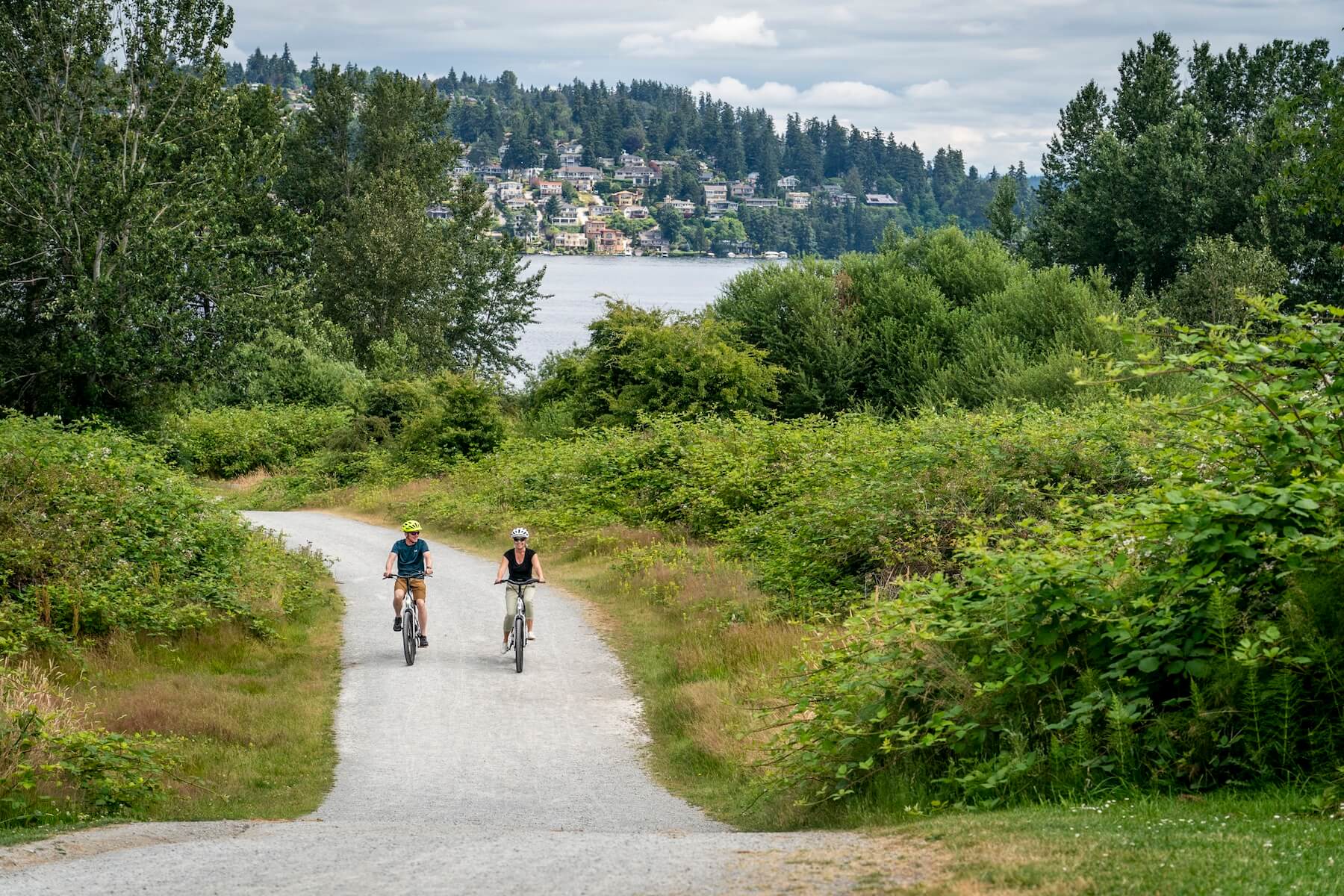
If you regularly ride in a hilly area, the right electric bike can make the difference between looking forward to every ride and planning your route around the climbs.
The good news is that modern ebikes can handle hills remarkably well. The slightly confusing news is that motor wattage alone will not tell you which one is up to the job, even though this is the most commonly used rating.
The best electric bike for hills combines a mid-drive motor, enough torque for the rider and terrain, a useful range of gears, sufficient battery capacity, dependable hydraulic brakes and a frame that fits the rider properly. A truly great ebike is more than just the sum of its parts. A bike with impressive numbers on its specification sheet can still struggle if those parts do not work well together.
At EVELO, we have spent more than a decade developing electric bikes around complete drive systems rather than isolated specifications. In this guide, we will explain what actually determines climbing performance, how much torque you are likely to need, and when to choose a comfort-focused hill climber over a more performance-oriented model.
The Short Answer: What Is the Best Electric Bike for Hills?
For frequent, steep or sustained hills, we recommend an ebike with:
-
A mid-drive motor
-
At least 80 Nm of torque, with 100 Nm or more providing additional margin for steeper grades, heavier loads and repeated climbs
-
Gearing that lets both the rider and motor maintain an efficient cadence
-
A battery sized for the route, with extra reserve beyond the mileage you expect to ride
-
Hydraulic disc brakes for controlled descending
-
Tires and a riding position suited to the surface
-
A frame that fits well and feels manageable at stops
Not every hilly ride requires the most powerful option. A rider on paved neighborhood roads may value automatic shifting, an upright position and easy mounting more than maximum climbing speed. Someone tackling long grades, gravel roads or heavier loads will usually benefit from more torque, manual control of the gear ratio and a more terrain-capable setup.
Quick Hill-Riding Selection Guide
|
Your riding conditions |
What to prioritize |
|
Moderate paved hills |
A mid-drive motor, comfortable gearing and smooth, predictable assistance |
|
Long or steep climbs |
Higher torque, a broad gear range and strong battery reserve |
|
Loose or uneven surfaces |
Traction, wider tires, suspension and rider-controlled gearing |
|
Stop-and-start hilly riding |
Low-speed control and gearing that makes restarting on an incline easier |
|
Hilly routes with heavier loads |
More climbing margin, effective brakes and appropriate gearing |
|
Long rides with repeated elevation |
An efficient mid-drive system and additional battery capacity |
For EVELO riders, the choice generally comes down to the comfort-focused Omega or the more performance-oriented Atlas. We will compare them after explaining what actually determines hill-climbing ability.
First, Determine How Demanding Your Hills Really Are
“Hilly” can describe a short rise on a neighborhood street, a two-mile mountain climb or a loose gravel road that becomes steeper around every corner. To choose the right ebike, look at the route in more detail.
Hill Grade
Road grade expresses vertical rise as a percentage of horizontal distance. A road that gains eight feet for every 100 feet traveled has an 8% grade.
As a practical guide:
-
Under 5%: A gradual incline for most riders
-
5% to 8%: A noticeable hill that places sustained demand on the motor
-
8% to 12%: A steep climb where torque, gearing, and rider input matter much more
-
12% to 15%: A very steep grade that requires a capable drive system and good technique
-
Over 15%: An exceptionally demanding climb, especially when it is long, loose or approached from a stop
Average grade does not always tell the whole story. A road listed at 7% may contain a short section at 12% or more. Check the steepest portion of your regular route, not just the average.
Length of the Climb
A powerful motor may dispatch a short hill easily but build more heat and consume substantially more energy over a long ascent. Repeated climbs also matter. Ten short hills across a ride can demand more from the battery than one obvious climb near home.
If your routes include sustained elevation, choose a system that can climb efficiently at lower speeds rather than relying only on peak power.
Rider, Cargo and Bike Weight
The motor has to move the total load uphill. That includes the rider, the bike, a second battery, panniers, groceries, and any other cargo.
Two people riding the same grade on the same model may therefore have different experiences. A rider carrying an additional 50 pounds will place more demand on the motor and use more battery energy during the climb. This is one reason a higher-torque system can be valuable even if the terrain does not look extreme on a map.
Always check the manufacturer’s recommended weight capacity, but do not stop there. Consider whether the motor, brakes, tires and frame are all appropriate for your complete riding load.
Surface and Traction
A smooth, dry road is easier to climb than loose gravel, wet leaves or an uneven trail at the same grade. Wider tires can provide greater comfort and confidence on rougher surfaces, while front suspension helps the front wheel track over broken pavement and light trails.
Traction also depends on riding technique and tire pressure. More motor torque is not automatically helpful if the tire cannot transfer it to the ground.
Stops and Intersections
Starting halfway up a hill is often harder than riding the same hill continuously. If your route has stop signs, traffic lights, or tight turns on an incline, low-speed control and the ability to select an easier gear before restarting become especially important.
This is where the interaction between the motor and transmission matters more than a headline wattage figure.

Seven Features That Determine How Well an eBike Climbs
1. Motor Position
An ebike motor is normally located at the crank or in one of the wheel hubs.
A mid-drive motor applies power through the bike’s drivetrain. Because the motor can take advantage of the available gear range, it can operate at a more effective speed while the rear wheel turns slowly up a hill. This is why mid-drives are generally the strongest choice for steep, sustained or frequent climbing.
A rear-hub motor drives the rear wheel directly. A well-specified hub-drive ebike can handle moderate hills, and it may offer good value for riders on flatter routes. However, the motor cannot use the bicycle’s gears. On a long, slow climb, it may operate outside its most efficient range and generate more heat.
A front-hub motor pulls from the front wheel. These systems are simple, but the front tire carries less weight and can lose traction more readily on steep or loose surfaces. We would not make a front-hub motor our first choice for demanding hill riding.
2. Torque
Torque describes rotational force and is measured in Newton-meters, or Nm. In practical terms, it helps indicate how strongly a motor can turn against resistance, particularly at low speeds and on climbs.
Torque is one of the most useful specifications for comparing hill-climbing potential, but it is not a standalone score. Motor programming, gearing, wheel size, total load and traction all affect how that torque feels on the road.
3. Motor Wattage
Watts measure power consumption, not climbing ability by themselves. Nominal and peak wattage can also be reported differently from one manufacturer to another, making simple comparisons unreliable.
A high-wattage hub motor may be fast on level ground yet struggle to operate efficiently during a slow climb. A lower-wattage mid-drive can use the bike’s gearing to keep the motor in a more effective operating range.
Wattage still matters; it simply needs to be read alongside torque, motor position, controller tuning and gearing.
4. Gearing
Strong motors still need the right gear. An easier gear lets the rider pedal at a useful cadence and gives a mid-drive motor better mechanical leverage.
Traditional derailleur systems offer distinct gears. A continuously variable transmission, or CVT, lets the rider adjust the ratio without moving through fixed steps. The EVELO Atlas uses a manually controlled Enviolo CVT, while the Omega uses an Enviolo Automatiq system that adjusts the ratio electronically to maintain a selected cadence.
Manual control is useful when an experienced rider wants to prepare precisely for a steep climb. Automatic shifting removes that decision from the ride and can be especially valuable for someone who does not want to manage gears at every change in terrain.
5. Battery Capacity and Reserve
Climbing requires more energy than riding the same distance on level ground. Total load, wind, temperature, tire pressure, assist level and speed can increase consumption further.
That means a published range should not be treated as a promise for a hilly route. Plan with a reserve instead. If your regular ride is 30 miles with substantial elevation, do not choose a battery system that only covers 30 miles under ideal conditions.
Both the Omega and Atlas use a 48V 15Ah battery, equal to 720 watt-hours, and are rated for up to 60 miles. An optional second battery increases the stated maximum to 100 miles. Actual range varies, and riders who use high assistance on repeated climbs should expect less than the maximum figure.
6. Brakes
Every climb eventually becomes a descent.
Hydraulic disc brakes are a strong choice for hilly routes because they provide progressive stopping power with relatively little lever effort. Rotor size, tire grip, total weight and brake condition also influence stopping performance.
Use both brakes smoothly when descending, keep extra distance in wet conditions and avoid dragging the brakes continuously on a long descent. If you regularly ride extended mountain grades, have the braking system inspected at the intervals recommended for your bike and riding conditions.
7. Fit, Position and Handling
A motor cannot compensate for a bike that does not fit.
You should be able to mount and stop comfortably, reach the controls without strain and maintain a stable riding position. An upright setup may be preferable for visibility and comfort. A more performance-oriented position can give the rider additional control on uneven terrain.
Consider the bike’s standover height, recommended rider range and overall weight. These factors are especially important when stopping on a slope or maneuvering the bike at low speed.
How Much Torque Does an eBike Need for Hills?
There is no single torque requirement for every hill. The table below offers a practical starting point for a properly geared ebike, not an industry standard or a guarantee of performance.
|
Riding conditions |
Practical torque range to consider |
Why |
|
Mostly flat routes with occasional gentle inclines |
40–60 Nm |
Adequate assistance for lighter demands |
|
Rolling terrain and moderate paved hills |
60–80 Nm |
More support for regular climbing |
|
Frequent hills, heavier riders or moderate cargo |
80–100 Nm |
Greater low-speed climbing margin |
|
Steep or sustained climbs |
100–120 Nm |
Better suited to demanding grades and repeated elevation |
|
Very steep grades, heavier loads or mixed surfaces |
120 Nm plus appropriate gearing |
Maximum margin, provided the tires, brakes and fit also suit the route |
For many riders in genuinely hilly areas, 80 Nm is a sensible minimum to consider and 100 Nm or more provides greater flexibility. That does not mean every rider needs 120 Nm. If the route is paved, the hills are moderate and ease of use matters most, a smooth 105 Nm system with automatic shifting may be a better ownership choice than a more aggressive setup.
It is also worth remembering that published torque is measured at the motor. The force that reaches the road depends on the selected gear ratio and wheel size. This is another reason to evaluate the complete drive system.
Mid-Drive vs. Hub Motor: Which Is Better for Hills?

For steep hills and sustained climbing, a mid-drive is usually the better choice.
|
Feature |
Mid-drive motor |
Hub motor |
|
Uses the bike’s gears |
Yes |
No |
|
Low-speed climbing efficiency |
Generally stronger |
More dependent on motor design |
|
Weight distribution |
Centered and balanced |
Concentrated in one wheel |
|
Ride feel |
Often more natural with torque sensing |
Can feel like a push or pull |
|
Cost |
Usually higher |
Usually lower |
|
Best use |
Frequent hills, long rides and varied terrain |
Flat to moderately hilly routes and value-focused riding |
The advantage is mechanical. A mid-drive sends power through the same transmission the rider uses. In an easier ratio, both rider and motor gain leverage for the climb.
That does not make every mid-drive superior to every hub motor. A poorly geared or poorly tuned mid-drive can disappoint, while a powerful hub system may climb short hills very quickly. For a buyer choosing a bike for repeated elevation rather than one isolated sprint, however, the mid-drive’s ability to use the gears is a meaningful advantage.
There is one tradeoff: power passing through a conventional chain and cassette can accelerate wear. EVELO addresses this with a Gates Carbon Belt Drive and sealed Enviolo CVT on both the Omega and Atlas, reducing routine drivetrain maintenance while retaining the climbing benefits of a mid-drive.
For a deeper technical comparison, see our guides to electric bike motors and mid-drive vs. hub-drive ebikes.
Real-World Hill Test: EVELO Omega vs. Atlas
Specifications tell us what a system should be capable of. Standardized third-party testing helps show how it performs under a defined set of conditions.
Electric Bike Report tested the current Omega and Atlas on the same course, known as the Devil’s Backbone. According to its published testing methodology, the paved route climbs for half a mile at an average grade of 8%, gaining 217 feet. The same approximately 180-pound rider performs the tests, using throttle only and then the highest pedal-assist setting where applicable.
|
Electric Bike Report hill test |
Omega |
Atlas |
|
Motor torque |
105 Nm |
120 Nm |
|
Throttle-only time |
3:09 |
2:22 |
|
Maximum-assist time |
2:34 |
2:02 |
|
Maximum-assist average speed |
13.74 mph |
14.9 mph |
Source: Hill-climb results from Electric Bike Report’s published testing. Additional technical context provided by EVELO’s product team.
The Omega review described the bike as controlled and steady, with natural assistance that made the climb active but manageable. The Atlas review found that it climbed with greater authority and completed the pedal-assist test about 15 seconds faster than the average mid-drive in the publication’s database at the time.
This is useful evidence, but it should be interpreted correctly. Electric Bike Report notes that the rider adapts his effort to the bike, so this is a standardized real-world comparison rather than a laboratory measurement of motor output. Weather, rider weight, surface and setup can all change an individual rider’s result. The Omega would likely show better numbers here, but we set a target of 70 RPM out of the box to make it work well in most situations riders experience.
Even with that qualification, the test supports the practical difference between the two bikes:
-
The Omega is a capable hill climber designed around smooth power, automatic shifting and comfort.
-
The Atlas climbs faster and provides more performance margin through its 120 Nm motor and manually controlled gear ratio.
Independent reviews from Electric Bike Review reached a similar qualitative conclusion. Its Omega review emphasizes the simplicity of automatic shifting, while its Atlas review highlights the stronger motor and the ability to adjust the CVT while stopped or under load.

Which EVELO Is Best for Hills: Omega or Atlas?
The best choice is not simply the bike that reached the top first. It is the one that matches the way you ride.
Choose the Omega for Comfort and Simplicity
The EVELO Omega is our recommendation for riders who want confident hill climbing without having to think about every gear change.
Its Bafang M410HD mid-drive produces 105 Nm of torque and works with an Enviolo Automatiq transmission. The rider selects a preferred cadence, and the system continuously adjusts the ratio as speed and terrain change. Instead of trying to remember when to downshift, you can concentrate on the road.
The Omega also has a low step-through frame, an upright riding position and 26 x 2.8-inch tires. Those qualities make it especially well suited to paved neighborhood rides, recreation and commuting where comfort and approachability matter as much as climbing speed.
The Omega is likely the better fit if you:
-
Ride primarily on pavement
-
Want the bike to manage shifting automatically
-
Prefer an upright, comfort-oriented position
-
Value a 17-inch standover height for easier mounting
-
Encounter regular hills but do not need the most aggressive climbing setup
-
Fit within the recommended 5'4" to 6'2" rider range
One nuance is worth understanding. In Electric Bike Report’s hill test, the rider wanted more direct control over downshifting during the hardest portion of the climb. Most riders will appreciate the automatic system’s simplicity, but those who prefer to choose a precise gear ratio for every steep grade may favor the Atlas. An optional handlebar controller is also available for the Omega’s Automatiq system.
Choose the Atlas for More Demanding Climbs and Mixed Terrain
The EVELO Atlas is the stronger choice when hills are steeper, climbs are longer or the route includes gravel and light trails.
Its Bafang M600 mid-drive produces 120 Nm of torque. The mechanical Enviolo twist shifter gives the rider direct control over the continuously variable gear ratio, including the ability to make adjustments while stopped. This makes it easier to prepare for a steep restart or fine-tune cadence during a long climb.
The Atlas also uses a suspension fork, 27.5 x 2.8-inch Schwalbe tires and a more terrain-oriented frame. Those features add comfort and control on rougher roads while the higher-torque motor supplies additional climbing margin.
The Atlas is likely the better fit if you:
-
Regularly encounter steep or sustained grades
-
Want direct control over the gear ratio
-
Carry additional weight or need more climbing reserve
-
Ride gravel roads, rough pavement, or light trails
-
Prefer a more performance-oriented riding position
-
Fit within the recommended 5'6" to 6'3" rider range and are comfortable with a 28-inch standover height
The Atlas is not the automatic recommendation for every hill. Its higher top tube and more involved shifting make it less approachable for some riders. If mounting confidence and set-it-and-forget-it operation are your priorities, the Omega may provide the better overall ride even if the Atlas is faster in a hill test.

A Five-Question Checklist Before You Buy
Before choosing an electric bike for hills, answer these questions:
-
What is the steepest section of my regular route?
Check the maximum grade, not only the average. -
How long are the climbs, and how many will I encounter?
Sustained and repeated elevation increases the importance of efficiency and battery reserve. -
What is the complete riding load?
Include rider weight, cargo, accessories and any second battery. -
What surfaces will I ride?
Smooth pavement, broken roads, and gravel place different demands on tires, suspension, and handling. -
Do I prioritize automatic simplicity or direct control?
This is the key distinction between the Omega and Atlas for many riders.
If you are still not sure, take the EVELO eBike Finder. It compares your height, terrain, and riding preferences to help narrow the options.
How to Climb Hills More Efficiently on an eBike
The right bike makes hills easier, but technique still matters.
Shift Before the Hill Gets Steep
Select an easier ratio while you still have momentum. Waiting until the motor and rider are already straining can make the transition less efficient. With an automatic system, set an appropriate cadence before the climb and let the transmission respond.
Maintain a Steady Cadence
Mid-drive motors work best when the rider continues pedaling. Avoid grinding slowly in a hard gear. A comfortable, steady cadence helps the motor use its power efficiently.
Add Assist Gradually
Use enough assistance to maintain control and cadence. Jumping immediately to maximum assistance is not always necessary and can consume more battery than the climb requires.
Start a Long Climb With Battery Reserve
Battery level can affect how confidently a bike sustains high demand. Do not plan to reach the hardest climb at the very end of an already ambitious range estimate.
Check Tire Pressure
Pressure that is too low can increase rolling resistance, while pressure that is too high may reduce traction and comfort. Stay within the tire manufacturer’s recommended range and adjust for rider weight and surface conditions.
Keep the Bike Maintained
Correct belt tension, properly functioning brakes and tires in good condition all matter more on hilly routes. Address unusual motor noises, slipping, brake fade or changes in handling before the next demanding ride.
Final Recommendation
The best ebike for steep hills is not determined by one number. Look for a complete system: a mid-drive motor with appropriate torque, useful gearing, sufficient battery reserve, dependable hydraulic brakes, suitable tires and a frame that fits you comfortably.
For most riders choosing between EVELO models:
-
Choose the Omega for paved hills, automatic shifting, easier mounting and comfort-first riding.
-
Choose the Atlas for steeper or longer climbs, mixed surfaces and direct control over the gear ratio.
Both bikes bring together high-torque mid-drive assistance, an Enviolo CVT, a Gates Carbon Belt Drive and the option to extend range with a second battery. The difference is how they deliver the ride.
Ready to narrow it down? Find your EVELO in under five minutes, or compare the Omega and Atlas side by side.
Frequently Asked Questions
Can electric bikes go up steep hills?
Yes. A properly specified ebike can climb steep hills, but performance depends on the grade, climb length, motor position, torque, gearing, total load, surface and rider input. A mid-drive motor with 100 Nm or more is a strong starting point for frequent or demanding climbs.
How much torque does an ebike need for hills?
For rolling terrain, 60 to 80 Nm may be sufficient. For frequent hills, heavier riders, or added cargo, consider 80 to 100 Nm. For steep or sustained grades, 100 to 120 Nm provides more climbing margin. These ranges are guidelines, because gearing and total system design also affect performance.
Is a 500W or 600W ebike enough for hills?
It can be. Motor position and gearing matter as much as the nominal wattage. A 500W or 600W mid-drive can use the bike’s transmission to climb more effectively than some higher-wattage hub motors.
Is a mid-drive ebike better for hills?
In most cases, yes. A mid-drive applies power through the bike’s gears, helping the motor operate efficiently as speed drops on a climb. That makes mid-drives particularly well suited to steep, long or repeated hills.
Are hub-drive ebikes bad on hills?
No. A well-designed rear-hub ebike can handle moderate and shorter hills. Hub motors simply cannot use the bike’s gears, which can place them at a disadvantage on long, slow, or especially steep climbs.
How steep a hill can an electric bike climb?
There is no universal maximum grade. A bike that handles a short 15% paved section may not sustain the same grade over a long climb or on loose terrain. Rider weight, approach speed, gearing, tire grip, motor temperature, and battery state all influence the result.
Do hills reduce ebike range?
Yes. Lifting the combined weight of the rider and bike requires additional energy. Repeated climbs, high assist, cargo, wind and low temperatures can reduce range further. Plan hilly rides with more battery reserve than an equivalent flat route.
Which is better for hills, the EVELO Omega or Atlas?
The Omega is better for riders who prioritize comfort, a low step-through frame and automatic shifting on paved hills. The Atlas is better for steeper climbs, mixed terrain and riders who want higher torque and direct control over the gear ratio.
About EVELO
EVELO has been designing premium electric bikes since 2011. Our bikes are built around high-torque mid-drive motors, advanced transmissions and low-maintenance belt-drive systems to create a smooth, natural and dependable riding experience. Every current EVELO bike is backed by a four-year/20,000-mile warranty and a 21-day at-home trial.