
How to Increase eBike Range by 30–40%: The Complete Rider’s Guide
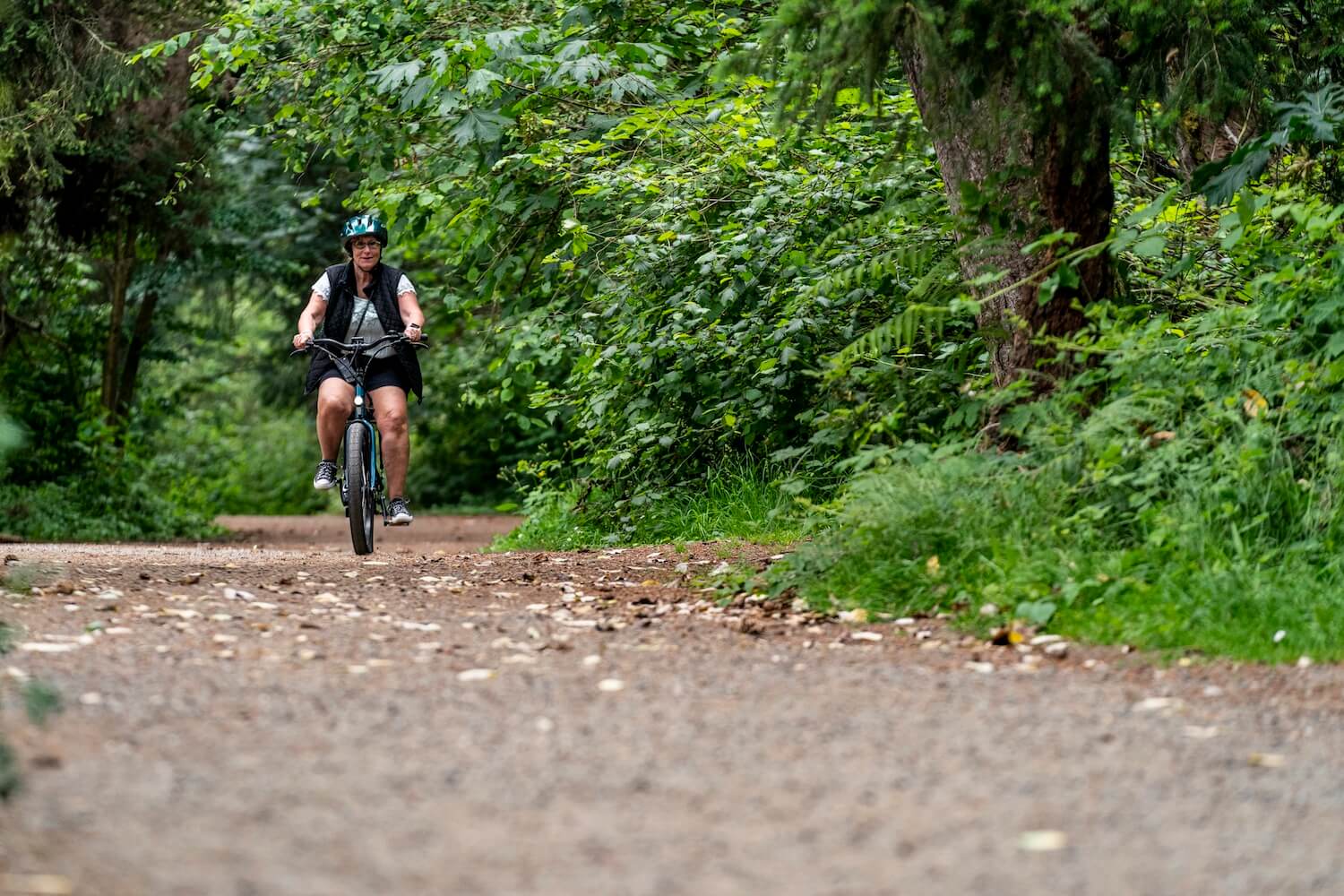
Most eBike riders are leaving 10–30 miles of range on the table every time they ride.
Not because their battery is too small. Not because their electric bike isn’t powerful enough. But because of a handful of small habits that quietly drain battery power along the way.
At EVELO, we talk to riders every day who are surprised by how dramatically range can change depending on how the bike is used. Two riders can take the exact same eBike, ride the exact same route, and finish with completely different battery levels.
One rider might finish with 40% remaining. The other might be nearly empty.
The difference usually comes down to riding technique, terrain strategy, and simple bike setup choices.
The good news is that improving your range doesn’t require a bigger battery or a new bike. With a few adjustments, many riders can increase eBike range by 30–40% or more. Learning how to increase electric bike range is often more about riding technique than battery size.
In this guide, we’ll cover:
-
How far an eBike can realistically go on one charge
-
The biggest factors that affect electric bike range
-
12 proven ebike range tips used by experienced riders
-
How riding style impacts efficiency
-
How battery health influences performance
-
How EVELO eBikes are designed for maximum range
If you’re still deciding which eBike is right for your riding style, our guide on How to Choose the Best Electric Bike for Your Riding Style can help you compare different models and riding needs.
If you want to ride farther, reduce range anxiety, and get the most from every charge, this guide will show you exactly how.
How Far Can an eBike Go on One Charge?
Quick Answer
Most electric bikes can travel between 25 and 80 miles on a single charge, depending on battery size, terrain, rider weight, and pedal assist usage.
With efficient riding techniques, some high-capacity electric bikes can exceed 100 miles of range.
Understanding Electric Bike Range
When riders ask “how far can an eBike go?”, the answer depends on several variables.
The most important is battery capacity, measured in watt-hours (Wh). Think of this like the size of your fuel tank.
Typical electric bike batteries include:
|
Battery Capacity |
Typical Range |
|
400 Wh |
20–40 miles |
|
500 Wh |
30–50 miles |
|
600 Wh |
40–65 miles |
|
700+ Wh |
50–90 miles |
However, these numbers assume moderate riding conditions. In real-world riding, your range can vary significantly depending on terrain, assist level, rider weight, and riding style.
Why Range Estimates Vary So Much
Two riders on the same bike can see dramatically different results.
For example:
Rider A: Efficient Riding Style
-
Uses Eco or low assist
-
Maintains steady pedaling cadence
-
Rides 14–16 mph
-
Keeps tires properly inflated
Range: ~50 miles
Rider B: High Power Riding
-
Uses high assist constantly
-
Minimal pedaling
-
Rides near top speed
-
Low tire pressure
Range: ~25 miles

That’s a big difference in range from the same battery.
Understanding what influences range is the first step toward electric bike range optimization.
How to Estimate Your eBike’s Real-World Range
Many riders want a quick way to estimate how far their eBike will go on a single charge.
While exact range depends on several factors, you can get a good estimate by looking at battery size and riding conditions.
A simple rule many riders use is:
Estimated Range ≈ Battery Watt-Hours ÷ Average Power Usage
While this isn’t a perfect calculation, it provides a helpful starting point for riders trying to estimate their real-world eBike range.
Here’s a practical example:
|
Battery Size |
Efficient Riding |
Moderate Riding |
High Power Riding |
|
500 Wh |
50–60 miles |
30–40 miles |
20–28 miles |
|
600 Wh |
60–75 miles |
35–50 miles |
25–33 miles |
|
750 Wh |
75–100 miles |
40–75 miles |
25–40 miles |
These numbers assume typical riding conditions, including moderate terrain and occasional pedal assist changes.
Of course, real-world range will vary depending on:
-
Rider weight
-
Terrain and hills
-
Wind conditions
-
Pedal assist level
-
Riding speed
-
Cadence
But using this type of estimate can help riders better understand how far their electric bike can go before needing a recharge.
What Affects eBike Range the Most

If you want to increase ebike range, you need to understand where energy is being used.
The main factors that affect electric bike range include:
-
Pedal assist level
-
Riding speed
-
Terrain and hills
-
Rider weight and cargo
-
Wind resistance
-
Tire pressure
-
Drivetrain efficiency
-
Battery condition
-
Cadence
Let’s look at why these matters.
Pedal Assist Level
The level of motor assistance you choose has the biggest impact on battery consumption.
Higher assist levels provide more power but also drain the battery faster.
For example:
-
Eco mode: minimal motor power, maximum range
-
Tour mode: balanced assistance
-
Sport mode: increased power usage
-
Turbo mode: maximum power, shortest range
Using high assist constantly can reduce range by 30–50%.
Riding Speed
Speed dramatically affects range due to wind resistance.
Once you exceed about 15 mph, air resistance increases quickly. The faster you ride, the more power the motor must supply to maintain speed.
Riding at 20 mph instead of 15 mph can increase energy consumption by 30–40%.
Hills and Terrain
Climbing hills requires significantly more energy than riding on flat terrain.
On steep climbs, the motor must overcome:
-
Gravity
-
Rider weight
-
Bike weight
-
Rolling resistance
Frequent climbing can dramatically reduce range.
Tire Pressure
Underinflated tires increase rolling resistance.
Even slightly low pressure forces the motor to work harder.
Maintaining proper tire pressure can improve efficiency and increase range by 5–10%.

Wind Resistance
Strong headwinds can feel like riding uphill.
Wind increases drag, which means the motor must deliver more power to maintain speed.
The power needed to maintain speed due to wind resistance increases as the square of speed:
-
5 mph: ~15 Watts
-
10 mph: ~50 Watts
-
15 mph: ~125 Watts
-
20 mph: ~260 Watts
-
25 mph: ~480 Watts
That first 5 mph only takes 15 Watts, but the last 5 mph needs 220 Watts
This is why riders sometimes notice their battery dropping faster on windy days.
Cadence and Gearing
Cadence (how fast you pedal) and gearing have a major impact on ebike range with mid-drive motors*. Riding in a harder gear with slow, forceful pedaling makes the motor work harder and draw more power, which drains the battery faster.
Shifting into an easier gear and maintaining a smooth, higher cadence allows the motor to operate more efficiently and use less energy.
If it feels like you’re pushing hard on the pedals, your motor is working harder too.
Quick tips:
-
Aim for light to moderate pedal pressure
-
Maintain a steady cadence (around 70–90 RPM)
-
Shift down before hills instead of grinding
*Hub motors are affected the same way, but you can’t change their gearing, so the rider inputs are not as important.
Common Myths About eBike Range
As electric bikes become more popular, a few myths about battery range still circulate among riders. Understanding what actually affects range can help you ride more efficiently and avoid unnecessary range anxiety.
Myth #1: Using Pedal Assist Always Drains the Battery Quickly
Reality: Pedal assist is usually the most efficient way to ride an ebike.
When you pedal while using assist, the motor and rider share the workload. This allows the system to use less energy compared to throttle-only riding. In fact, many riders achieve their longest ranges using low or moderate pedal assist levels.
Myth #2: eBike Range Is Fixed
Reality: Range can vary dramatically depending on how the bike is ridden.
Two riders on identical ebikes may see very different results depending on assist level, speed, terrain, and pedaling effort. Small changes in riding habits can easily increase ebike range by 20–40%.
Myth #3: Bigger Batteries Are the Only Way to Ride Farther
Reality: Riding efficiency often matters more than battery size.
A rider using efficient assist levels and smooth pedaling can sometimes travel farther on a smaller battery than someone using maximum power modes constantly.
Myth #4: Cold Weather Doesn’t Affect Battery Performance
Reality: Lithium-ion batteries temporarily lose efficiency in cold temperatures.
That’s why riders often notice slightly shorter ranges during winter rides. Keeping the battery indoors before riding helps maintain performance.
12 Proven Ways to Increase eBike Range

If you want to increase ebike range by 30–40%, small riding adjustments can make a surprisingly big difference.
Many experienced riders don’t rely on just one technique—they combine several of the strategies below. Individually, these adjustments may only add a few miles. Combined, they can dramatically extend how far your battery takes you.
1. Ride in Lower Pedal Assist Modes
One of the most effective ways to increase electric bike range is simply using lower assist levels more often.
Many new riders discover Turbo mode and never leave it. It feels great—effortless acceleration, fast cruising speeds, and easy hill climbing.
But Turbo mode uses a lot of power.
Experienced riders tend to treat assist modes more like gears. They’ll ride in Eco mode on flat terrain, switch to Tour for rolling hills, and only use higher assist levels when they truly need extra power.
This approach alone can add 10–20 miles of range to a typical ride.
2. Maintain a Smooth Pedaling Cadence
Electric bike motors operate most efficiently when you pedal at a steady cadence.
Think of it like driving a car. Engines run best within a certain RPM range, and electric bike motors behave similarly.
Most riders get the best efficiency at around 70–90 pedal rotations per minute.

When riders pedal very slowly in a high gear, the motor often has to work harder to compensate. Maintaining a smooth cadence allows the motor to assist efficiently rather than doing most of the work.
Over a long ride, this can make a noticeable difference in range.
3. Ride at Efficient Speeds
It’s easy to forget how much wind resistance affects electric bike efficiency.
Riding at 20 mph feels only slightly faster than riding at 15 mph, but from an energy standpoint, the difference is significant. Wind resistance increases rapidly as speed rises.
Many riders notice this when they start paying attention to battery usage during long rides. Cruising at 14–16 mph often delivers the best balance of speed and efficiency.
You’re still moving quickly, but the motor isn’t constantly fighting wind drag.
4. Use Your Gears Properly
Even though electric bikes provide assistance, they still rely on proper gear use.
One thing we often see with newer riders is staying in the same gear for long stretches of the ride. The motor compensates for inefficient gearing, but doing so requires extra power.
Shifting gears helps keep both the rider and the motor working efficiently.
Good habits include:
-
Downshifting before hills
-
Using easier gears when accelerating
-
Avoiding high gear + high assist combinations
When the drivetrain is working smoothly, the motor can operate in its most efficient range.
5. Keep Tires Properly Inflated
This might be the simplest ebike range tip, but it’s one of the most overlooked.
Many riders don’t check tire pressure very often. Over time, tires slowly lose air, which increases rolling resistance.
If you’ve ever ridden a traditional bicycle with soft tires, you know the feeling—it takes more effort to keep the bike moving.
The same thing happens with an ebike, except the motor is providing the extra effort. Keeping tires within the recommended pressure range allows the bike to roll efficiently and helps conserve battery power.
Even small improvements here can add several miles of range.
6. Reduce Unnecessary Weight
Electric bikes are powerful, but weight still matters.
Extra cargo requires additional motor power, especially when climbing hills or accelerating from stops.
For example, riders planning long recreational rides often remove items they don’t need—heavy locks, extra bags, or unnecessary accessories.
While the difference might seem small at first, reducing weight can help the motor work more efficiently over long distances.
7. Plan Routes With Fewer Hills
Anyone who has ridden an ebike up a steep climb knows how quickly the motor kicks in to help.
Climbing hills requires significantly more energy than riding on flat terrain. The motor must overcome both gravity and rider weight.
If you compare two routes of the same distance—one flat and one with frequent climbs—the hillier route will almost always consume more battery.
This doesn’t mean avoiding hills entirely. But when planning longer rides, many riders look for routes that spread climbs gradually rather than concentrating them all at once.
Route planning alone can noticeably increase overall range.
8. Accelerate Gradually
Many new riders love the instant acceleration ebikes provide. It’s one of the most enjoyable aspects of electric riding.
But launching quickly from every stoplight pulls a large burst of power from the battery.
Over a long ride, those bursts add up.
Instead, try accelerating smoothly and letting the motor assist gradually. This reduces the peak current drawn from the battery and improves overall efficiency.
The ride also feels smoother and more controlled.
9. Use Throttle Sparingly
Throttle can be incredibly convenient, especially in traffic or when starting on a hill.
However, using the throttle frequently is one of the fastest ways to drain an ebike battery.
When using pedal assist, the motor and rider share the workload. With the throttle, the motor does almost everything.
Many experienced riders treat the throttle as a situational tool rather than the default riding mode.
For example:
-
Starting from a steep incline
-
Navigating busy intersections
-
Quick bursts of acceleration
Using pedal assist for most of the ride helps conserve energy and extend range.
10. Keep Your Drivetrain Clean
A clean drivetrain allows your bike to operate efficiently.
Over time, dirt and grime build up on chains, gears, and derailleurs. This increases friction, which means the motor must provide additional power to maintain speed.
Riders often notice their bikes feel smoother immediately after cleaning and lubricating the chain
Regular drivetrain maintenance includes:
-
Cleaning the chain
-
Lubricating after washing
-
Checking for worn components
Regular maintenance helps your bike run efficiently and improves battery performance. Our article on Essential Tools Every eBike Owner Should Have covers the simple tools that make routine maintenance easier.
11. Adjust for Wind Conditions
Wind can have a surprisingly large effect on electric bike range.
Riding into a strong headwind can feel similar to climbing a mild hill. The motor must supply extra power to maintain speed.
Many experienced riders adjust their strategy when winds are strong. Instead of trying to maintain top speed, they reduce speed slightly and let the motor work more efficiently.
Planning rides so that the return leg benefits from a tailwind can also make a noticeable difference in battery consumption.
12. Protect Your Battery From Cold Temperatures
Lithium-ion batteries perform best in moderate temperatures.
In cold weather, battery chemistry becomes less efficient, which temporarily reduces available range.
Riders in colder climates often notice their battery drains faster during winter rides.
Simple habits can help maintain performance:
-
Store the battery indoors
-
Install the battery just before riding
-
Avoid charging the battery in freezing temperatures
Keeping the battery warm before a ride allows it to deliver its full capacity more effectively. Our article eBike Batteries Explained: Unlock Your Ride's Potential provides more details on how to properly care for your ebike battery.
Quick eBike Range Optimization Checklist
If you want to quickly increase ebike range, these simple habits make the biggest difference. Think of this as a quick pre-ride checklist to help you get the most from every charge.
-
Ride in Eco or Tour mode whenever possible
-
Maintain proper tire pressure
-
Shift gears frequently to maintain efficient cadence
-
Accelerate smoothly instead of launching quickly
-
Reduce unnecessary cargo weight
-
Use pedal assist instead of the throttle for most riding
-
Keep your chain clean and lubricated
-
Ride at moderate speeds (around 12–16 mph)
-
Avoid long stretches of riding into strong headwinds
-
Store your battery in moderate temperatures
Even following just a few of these habits consistently can noticeably increase electric bike range over longer rides.
How Riding Style Impacts eBike Range
Your riding style plays a larger role in range than most riders realize.
In fact, it’s often the single biggest factor.
Efficient Riders
Efficient riders typically:
-
Use lower assist levels
-
Maintain steady pedaling
-
Ride at moderate speeds
-
Shift gears frequently
-
Avoid rapid acceleration
These riders often exceed manufacturer range estimates.

Less Efficient Riders
Riders who consume battery quickly tend to:
-
Use Turbo mode constantly
-
Ride near maximum speed
-
Accelerate aggressively
-
Rely heavily on the throttle
-
Ignore gear shifting
These habits drain batteries much faster.
Simple Rule for Maximum Range
If you want to increase your ebike range:
Pedal more and assist less.
That one adjustment alone can dramatically extend your riding distance.
How Battery Health Affects Range
Even with efficient riding, battery health influences range.
Over time, lithium-ion batteries gradually lose capacity.
Typical eBike Battery Lifespan
Most electric bike batteries last between:
500 and 1,000 charge cycles
For many riders, this equals 3–5 years of regular riding.
As batteries age, they hold slightly less energy, which reduces range.
Signs Your Battery Is Aging
Common signs of battery degradation include:
-
Reduced riding range
-
Faster discharge
-
Longer charging times
-
Inconsistent power delivery
These changes happen gradually.
How to Extend eBike Battery Life
Good battery care helps maintain both performance and range.
Best practices include:
-
Avoid frequent full discharges
-
Store batteries around 50–70% charge
-
Keep batteries in moderate temperatures
-
Use the original manufacturer's charger
Proper care can significantly extend battery lifespan. It also plays an important role in long-term performance. If you want a deeper look at routine maintenance, our guide on eBike Maintenance 101: What You Can and Should Do Yourself explains the steps every rider should know.
How EVELO eBikes Are Designed for Maximum Range

At EVELO, range is a key focus of our engineering approach.
Our bikes are designed to maximize efficiency so riders can travel farther with less effort.
High-Capacity Batteries
EVELO electric bikes feature large-capacity lithium-ion batteries designed for extended rides.
Higher capacity batteries provide:
-
Longer riding distances
-
Reduced range anxiety
-
Better performance on hills
Efficient Mid-Drive Motors
EVELO bikes use mid-drive motor systems, which are widely recognized as one of the most efficient ebike designs.
Mid-drive motors:
-
Use the bike’s gearing system
-
Deliver better climbing power
-
Improve energy efficiency
This design helps riders get more miles from every charge.
Intelligent Drivetrain Systems
Most EVELO models include automatic shifting systems that keep the bike in the most efficient gear.
This improves:
-
Riding comfort
-
Drivetrain longevity
-
Battery efficiency
The result is a smoother and more optimized ride.
Realistic Range Expectations for Different Riders
One of the most common questions riders ask is how far an ebike can realistically go on a single charge. While battery size plays an important role, the truth is that range varies widely depending on how the bike is ridden, the terrain, and overall riding conditions.
Two riders on the exact same ebike can see very different results simply because of their riding habits. Factors like pedal assist level, cruising speed, and how consistently a rider pedals all influence how quickly the battery is used.
Before looking at typical range expectations for different types of riders, it helps to see how riding style alone can influence electric bike range.
How Riding Choices Affect eBike Range
While battery size plays an important role in how far an ebike can go, riding habits often matter even more. The same bike can produce very different range results depending on how it’s ridden.
The table below shows how typical riders and riding styles influence the range on many modern electric bikes.
|
Rider Type |
Typical Riding Style |
500 Wh |
600 Wh |
750 Wh |
|
Urban commuter |
Pavement, stop-start, moderate assist |
30–42 mi |
36–50 mi |
45–62 mi |
|
Recreational rider |
Bike paths, steady pace, moderate/low assist |
38–52 mi |
46–62 mi |
58–78 mi |
|
Efficiency-focused rider |
Smooth pedaling, Eco-heavy use |
48–62 mi |
58–75 mi |
72–95 mi |
|
Weekend explorer |
Mixed terrain, longer rides, moderate assist |
32–46 mi |
40–56 mi |
50–70 mi |
|
Heavier rider/hills |
More weight, climbing, more assist |
22–34 mi |
26–40 mi |
33–50 mi |
|
High-assist rider |
Faster pace, frequent Turbo/Sport use |
20–30 mi |
24–36 mi |
30–45 mi |
The key takeaway is that small riding adjustments can dramatically increase ebike range. Riders who combine efficient assist levels, steady pedaling, and moderate speeds often travel much farther on the same battery than those relying heavily on high power modes. Because of this, the real-world range of an electric bike can vary significantly depending on how it’s ridden — which is why different riders often experience very different distances from the same bike.
Understanding these differences helps riders plan longer trips with confidence.
Explore EVELO eBikes Built for Longer Rides
If maximizing range matters to you, the design of your electric bike makes a significant difference.
EVELO electric bikes are engineered to provide:
-
Long-distance comfort
-
Highly efficient mid-drive motors
-
Premium components designed for durability
-
Smooth, natural riding performance
Many riders are surprised by how much range they can achieve once they combine an efficient ebike design with the riding strategies outlined above. Whether you're commuting, exploring scenic bike paths, or taking longer recreational rides, the right electric bike can dramatically expand how far you can go.
Explore the full lineup of EVELO electric bikes and see how far your rides can go when efficiency and engineering work together.
Want Even More eBike Riding Tips?
If you’re interested in getting the most out of your electric bike, explore these additional guides:
These resources will help you ride farther, maintain your bike properly, and get the most from every ride.
Final Thoughts
Increasing your electric bike range doesn’t require complicated upgrades.
By adjusting how you ride, maintaining your bike properly, and understanding how the motor uses energy, you can increase ebike range by 30–40% or more.

With these strategies, you’ll ride farther, reduce range anxiety, and get more enjoyment from every mile.
FAQs About Increasing eBike Range
How can I increase ebike range quickly?
To increase ebike range quickly, use lower pedal assist levels, maintain steady pedaling, ride at moderate speeds, and keep tires properly inflated. These simple adjustments can significantly improve efficiency.
How far can an ebike go on one charge?
Most electric bikes can travel between 25 and 80 miles per charge, though high-capacity models can exceed 100 miles with efficient riding techniques.
Does riding faster reduce electric bike range?
Yes. Higher speeds increase wind resistance, which forces the motor to work harder and consume more battery power.
Do hills significantly reduce ebike range?
Yes. Climbing hills requires more motor power and can reduce range by 20–50%, depending on assist level and terrain.
Does rider weight affect ebike range?
Yes. Heavier riders or additional cargo require more motor power, which increases energy consumption and reduces range.
How long do electric bike batteries last?
Most electric bike batteries last 500–1,000 charge cycles, which typically equals 3–5 years of regular use before noticeable capacity loss.